
Wood pellets are high-value biomass fuel for global heating and power generation. More small-to-medium manufacturers are investing in a 1-10TPH wood pellet production line to process wood chips, sawdust, branches and agricultural wood waste. Poor system configuration often results in frequent downtime, unstable pellet quality and excessive energy consumption. As an experienced supplier of biomass processing solutions, Bolida Machinery shares practical guidance to help factory owners build reliable 1-10 ton per hour wood pellet plants.
Pre-Project Assessment
Complete these evaluations before placing equipment orders.
· Confirm raw material types and test moisture content.
· Check incoming material size; large logs require wood chippers for pre-processing.
· Confirm target hourly capacity: 1-2TPH, 3-5TPH, 6-8TPH or 10-15TPH.
· Evaluate workshop space, local power supply and available heat sources for drying systems.
· Select finished pellet specifications, most commonly 6 mm, 8 mm or 10 mm diameters.
If raw material moisture exceeds 20%, a rotary dryer is a mandatory component within your complete wood pellet production line. Bolida Machinery provides custom dryer configurations to match different raw-material conditions.
Standard Production Workflow
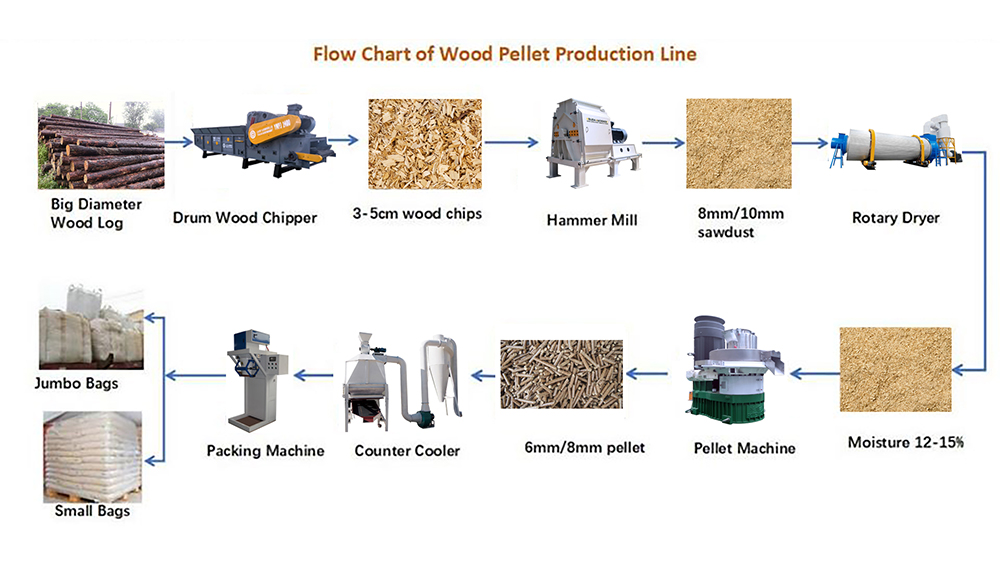
A full-set 1-10TPH wood pellet production line follows this mature process:
1. Raw material receiving and storage
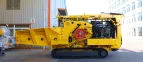
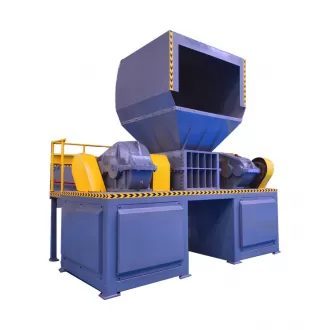
2. Coarse crushing via wood chipper
3. Fine grinding with hammer mill to produce 6-12 mm particles
4. Rotary drum drying
5. Conveying and buffer silo feeding
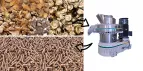
6. Pelletizing by ring-die pellet mill
7. Counter-flow pellet cooling
8. Vibrating screening
9. Finished pellet storage
10. Semi-auto or automatic bagging
Every processing stage directly impacts final output and pellet quality. Missing key units will lower real-world production capacity.
Equipment Configuration Reference
| Target Capacity | Core Equipment Combination |
| 1-2 TPH | Wood chipper, hammer mill, small rotary dryer, single ring-die pellet mill, counter-flow cooler, semi-auto bagger |
| 3-5 TPH | Drum chipper, heavy-duty hammer mill, medium dryer, 1-2 pellet mills, vibrating sieve, semi/full-auto packing |
| 6-8 TPH | Large chipper, multiple hammer mills, large heat-recovery dryer, 2-3 pellet mills, full-auto packing + jumbo bag station |
| 10-15 TPH | Large chipper, multiple hammer mills, large heat-recovery dryer, 3-5 pellet mills, full-auto packing + jumbo bag station |
All complete lines are equipped with conveyors, dust removal systems and central electric control cabinets. For 6-10TPH projects, Bolida Machinery recommends multiple pellet mill units instead of one oversized machine to improve operating uptime.
Key System Notes
Crushing System: Wood chippers break large logs into chips, while hammer mills generate fine uniform particles. Consistent particle size raises pellet forming rate and reduces wear on rollers and dies.
Drying System: Moisture control determines pellet performance. Over-wet material creates fragile pellets, while over-dry feedstock increases power costs and dust-fire risks. Bolida’s rotary drum dryers are optimized for 1-10TPH wood pellet factories.
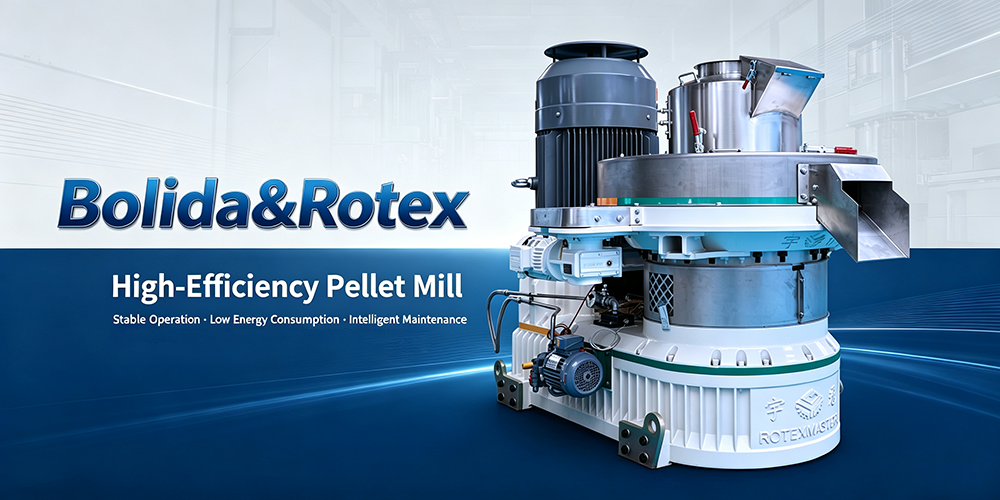
Pelletizing Section: The ring-die pellet mill acts as the line core. Adjust die compression ratio according to hardwood or softwood feedstock. Stable feeding is critical to avoid machine blockages.
Cooling & Screening: Hot pellets leave pellet mills at 70-90℃. Counter-flow coolers reduce temperature and harden pellets. Vibrating sieves remove fines and broken pellets to guarantee finished-product standards.
Auxiliary Systems: Dust collectors boost workshop safety. Packing solutions support 15-50kg small bags or jumbo bags for bulk export delivery.
Operation Tips
1. Keep upstream crushing-drying capacity 10-20% higher than pellet mill rated TPH to prevent material shortage.
2. Perform regular maintenance for dies, rollers and hammer blades. Worn components significantly reduce actual output.
3. Install fire-proof structures for dryers and dust collection units against dust-explosion hazards.
4. Deliver systematic operator training for moisture testing, feeding adjustment and quick fault reset. Bolida Machinery offers on-site and remote technical training for global clients.
FAQ
Q: Can I run a 5TPH wood pellet line without a dryer?
A: Only if raw-material moisture keeps stable at 8-12%. Most wood waste needs drying to maintain consistent pellet quality.
Q: Do I need chemical binders for wood pellet production?
A: No. Pure wood materials rely on natural lignin for binding, no extra chemical binder required.
Conclusion
Building a complete wood pellet production line for 1-10TPH factory requires well-matched crushing, drying, pelletizing, cooling and packaging systems. Avoid selecting equipment only based on nominal capacity or low prices. Your solution should fit local raw-material features, workshop layout and long-term business targets.
Bolida Machinery delivers turnkey 1-10TPH wood pellet production lines, including layout design, equipment manufacturing, installation guidance and after-sales support for global biomass factories. Contact our technical team for your customized project proposal.
Shandong Bolida Machinery Co., Ltd., established in March 2017, is located in the West side of Dazhan Community in Mingshui Street, Zhangqiu District, Jinan City, Shandong Province with superior geographical location and convenient transportation.
View MoreCopyright © Shandong Bolida Machinery Co., Ltd., All Rights Reserved | Sitemap | Powered by