
The global biomass energy industry keeps expanding in 2026. More manufacturers and energy investors turn to biomass as a stable renewable alternative to fossil fuels. Biomass converts organic waste into heat, electricity and solid fuel. It supports carbon reduction goals while making full use of unused agricultural and forest waste.
Market data shows rising demand for sustainable biomass fuels across Southeast Asia, Europe and Latin America. Many governments launch incentive policies to promote waste-to-energy projects. Local factories replace coal and natural gas with affordable biomass resources to cut energy costs and carbon emissions.
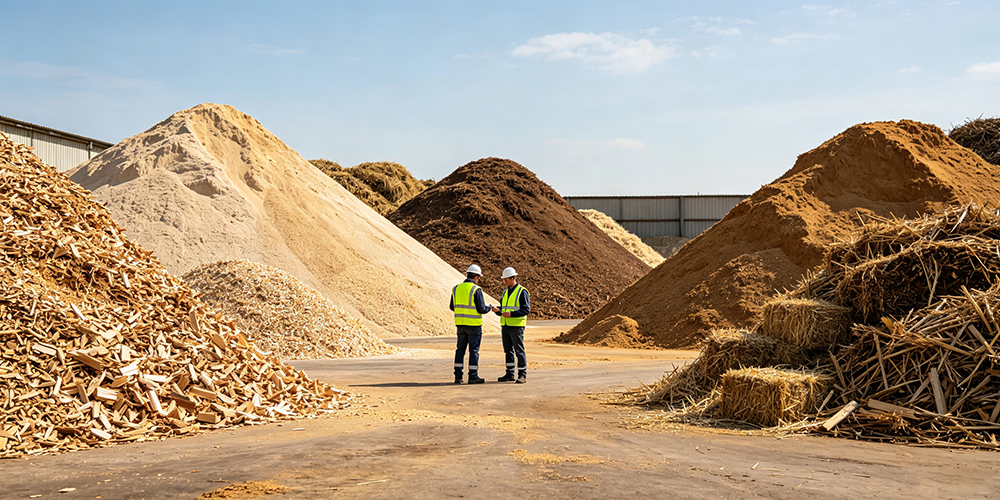
Main Feedstocks Widely Used in Modern Biomass Projects
Forest residues: wood chips, sawdust, bark and logging waste
Agricultural waste: straw, rice husk, corn stalk and sugarcane bagasse
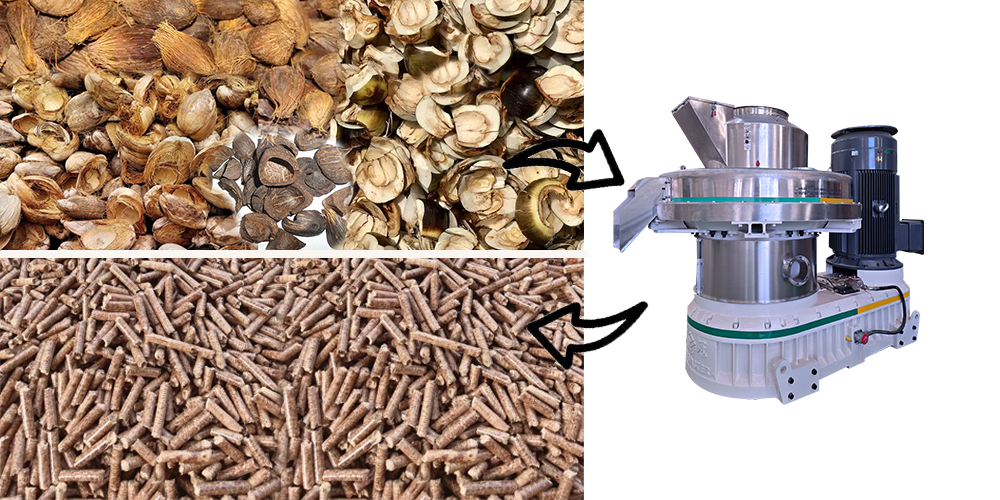
Palm industry waste: EFB, palm kernel shell and palm fiber
Industrial organic waste: wood processing scraps and crop by-products
These raw materials are low-cost and locally available in most regions. Proper processing turns loose waste into uniform biomass pellets or briquettes for easy storage and long-distance transportation.
Key Drivers Boosting the Biomass Industry
1. Carbon neutral policies push enterprises to adopt renewable energy
2. Volatile fossil fuel prices make biomass fuel economically competitive
3. Waste disposal pressure encourages waste recycling via biomass processing
4. Improved biomass equipment lowers investment and operation costs for medium and small plants
5. International supply chains expand trade of certified sustainable biomass pellets
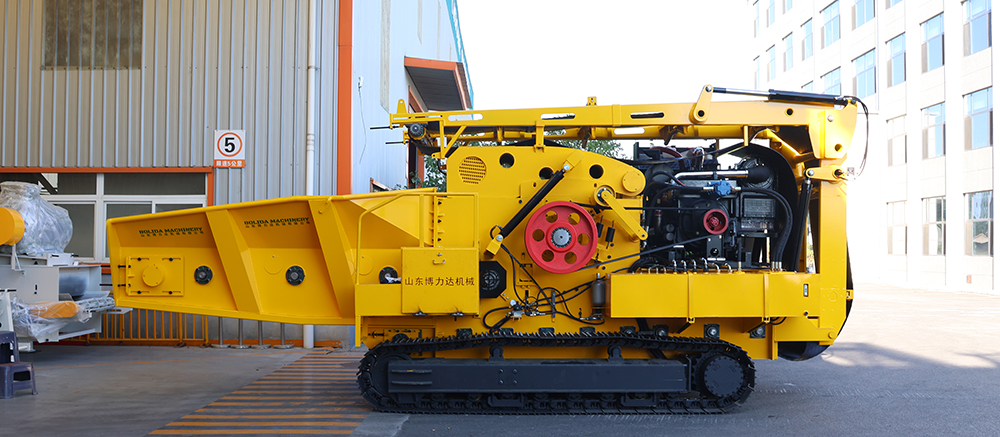
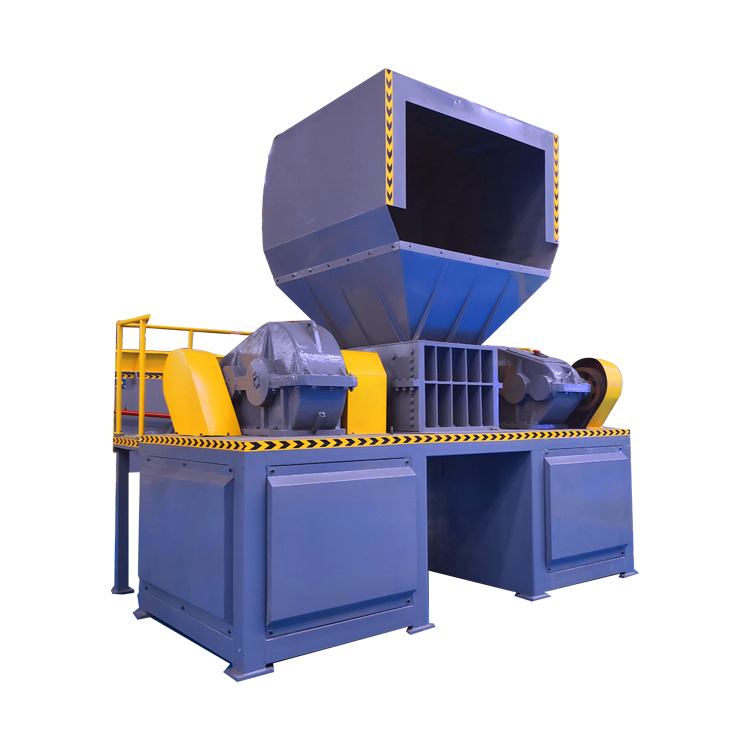
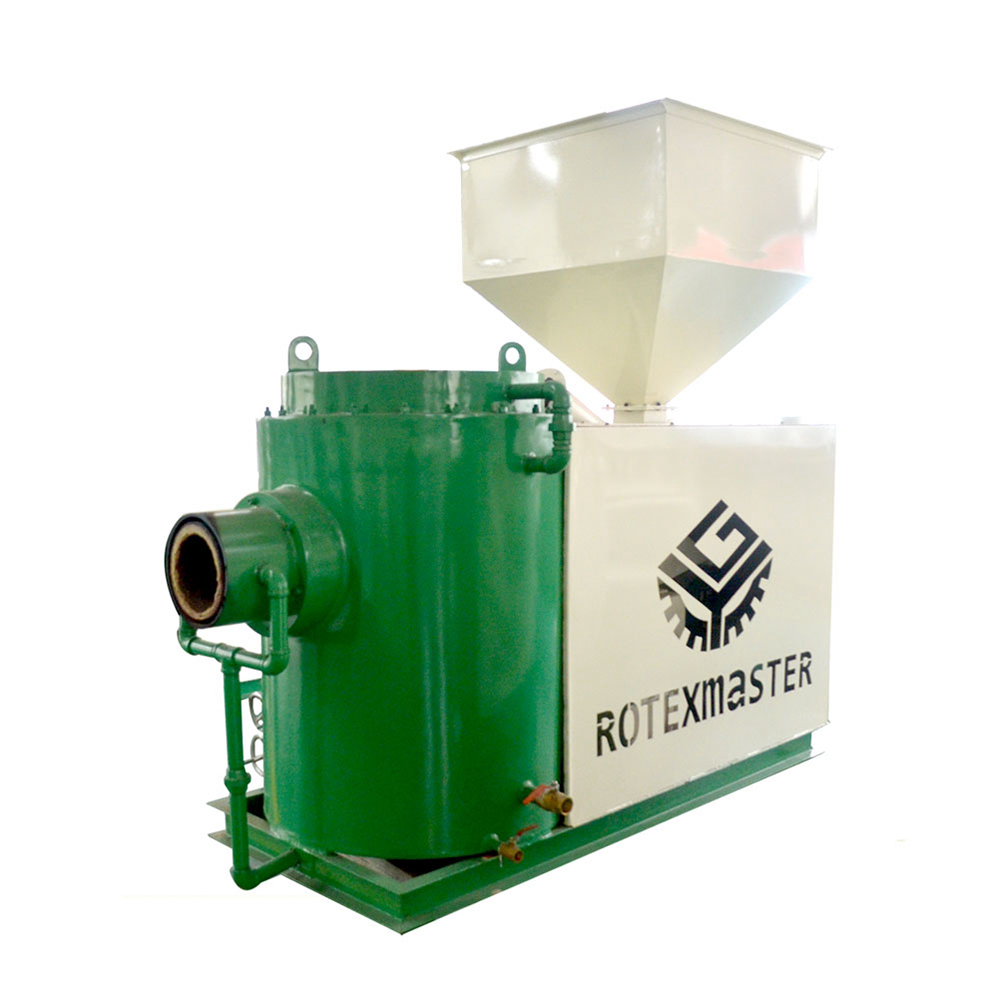
Technology updates further lift industry potential. Modern biomass processing lines handle mixed raw materials efficiently. Dryers, wood crushers and biomass pellet machines reduce energy loss during production. Mobile biomass processing equipment also gains popularity for scattered waste resources.
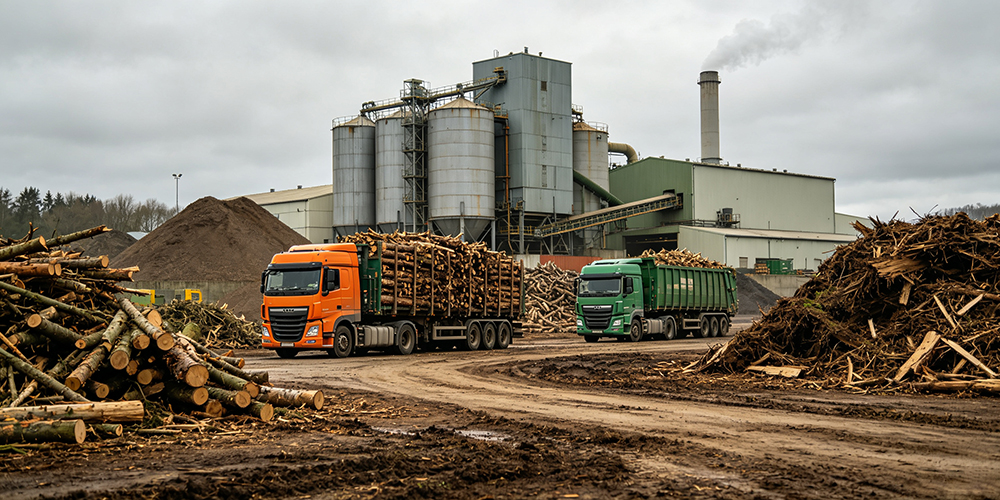
Current Industry Challenges
The biomass sector still faces clear obstacles for wider global adoption.
Unstable raw material supply in certain seasons
High logistics cost for bulky loose biomass waste
Different regional standards for biomass fuel certification
Limited public awareness of biomass waste-to-energy technology
Industry participants focus on building stable local raw material supply chains. Many operators cooperate with farms, forestry stations and food factories to secure continuous waste supply all year round.
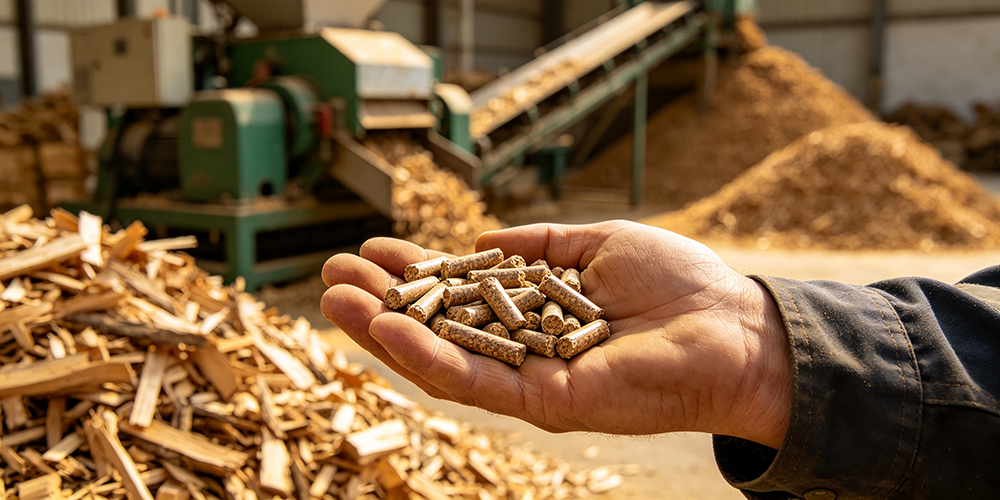
Outlook for the Biomass Energy Sector
Market analysts predict steady growth for biomass energy over the next five years. More medium-scale biomass pellet plants and biomass heating projects will start construction. Integrated waste recycling models will connect waste suppliers, processing factories and end energy users.
Biomass will become an important part of the global renewable energy mix together with solar and wind power. As processing technology matures, biomass energy will offer a practical path for factories to achieve low-carbon production.
Shandong Bolida Machinery Co., Ltd., established in March 2017, is located in the West side of Dazhan Community in Mingshui Street, Zhangqiu District, Jinan City, Shandong Province with superior geographical location and convenient transportation.
View MoreCopyright © Shandong Bolida Machinery Co., Ltd., All Rights Reserved | Sitemap | Powered by