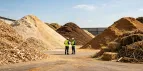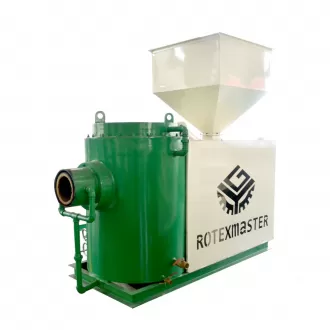

Palm fiber, also known as empty fruit bunch (EFB), is a major waste from palm oil factories and a cheap, abundant biomass resource across Southeast Asia. Converting it into solid biomass pellets cuts waste-disposal costs, produces marketable fuel and supports local renewable-energy projects. Yet palm fiber poses processing challenges: its long tangled fibers, high native moisture and trace oil content often cause jamming, rapid wear and low pellet forming performance for standard wood-pellet equipment, so Bolida & Rotexmaster shares practical know-how to achieve stable palm-fiber pellet production.
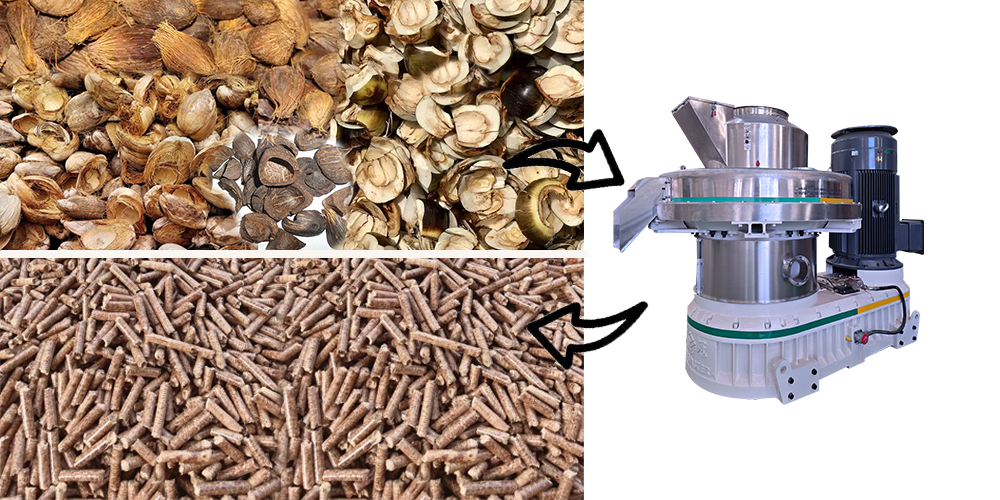
Step-by-Step Palm Fiber Pellet Making Process
Every stage directly influences final pellet quality and machine running status.
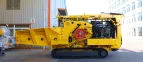
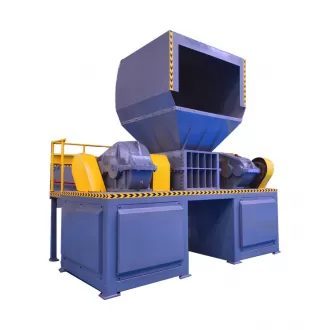
1. Raw material receiving & pre-shredding: Fresh palm fiber comes with long tangled strands. Heavy-duty shredders cut big bundles into short fragments. This step avoids material bridging and blockage in follow-up conveyors.
2. Fine grinding / hammer milling: Grind shredded fiber into uniform fine size, around 3-6 mm. Long unbroken fiber will jam pellet mill die holes.
3. Drying to target moisture: Fresh palm fiber moisture can reach 60-70%. Dry material down to 10-15% moisture content. This is the most critical index for good pellet forming. Too wet causes soft broken pellets; too dry leads to cracking and heavy die wear.
4. Conditioning: Add low-temperature steam to soften palm fiber. Steam activates natural lignin inside fiber, which works as natural binder without extra chemical additives.
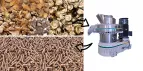
5. Pelletizing in pellet mill: Well-processed material goes into ring-die pellet mill. Under high pressure and friction heat, palm fiber compresses into dense cylindrical pellets. Bolida & Rotexmaster supplies pellet mills with special compression-ratio dies customized for palm fiber raw material.
6. Cooling and screening: Hot new-made pellets must be cooled down. Screen removes fine powder waste. Only complete hard pellets go to final storage or packing.
7. Packing and storage: Finished palm fiber pellets are packed in bulk bags or small woven bags for domestic use or export transportation.
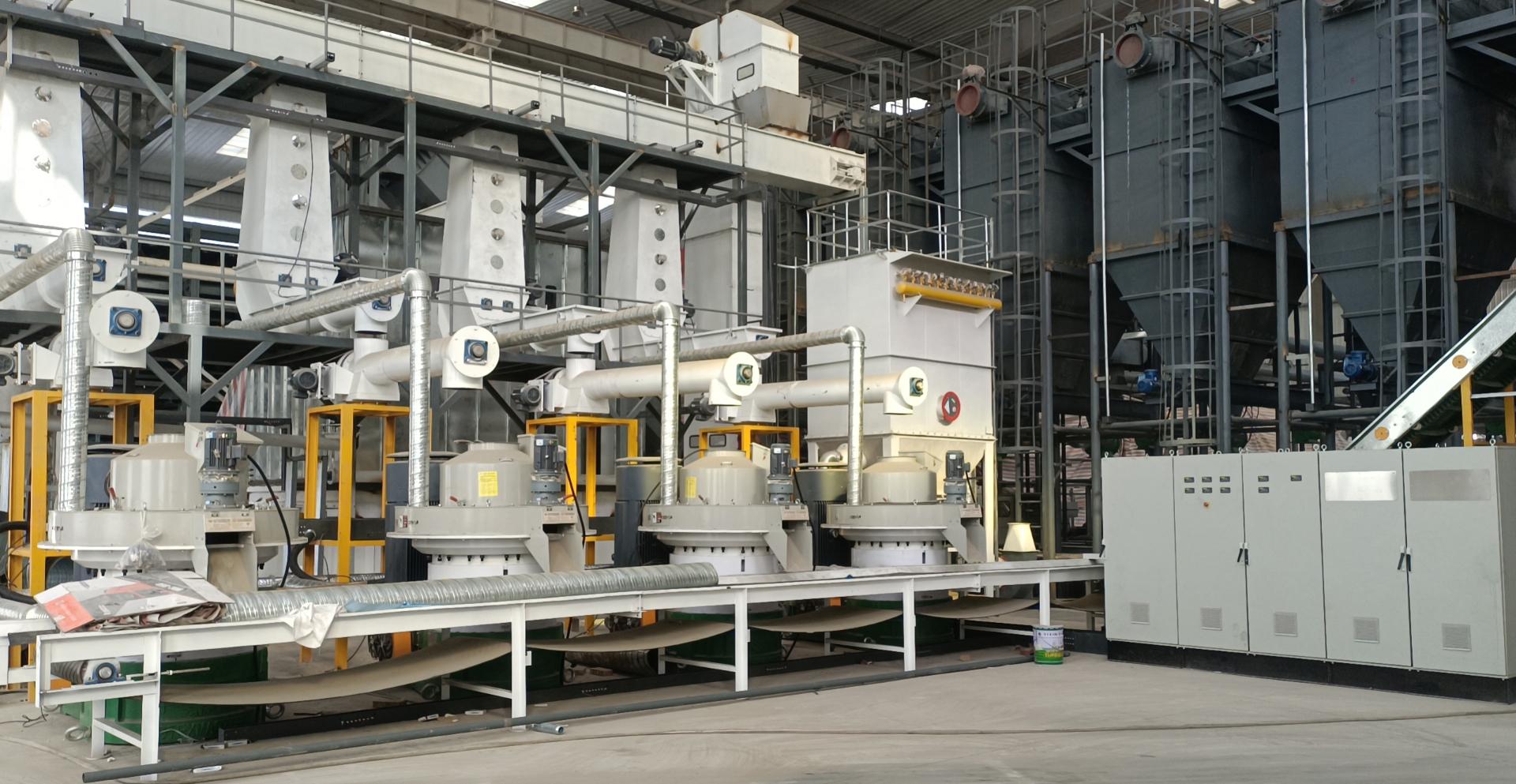
Main Challenges for Palm Fiber Pelletizing
Long, tough fiber easily tangles and blocks equipment
Very high initial moisture increases drying energy consumption
Residual palm oil accelerates wear of die and roller parts
Unstable raw-material quality causes inconsistent pellet output
FAQ
Q1: What moisture level is best for palm fiber pelletizing?
A1: Keep feeding material moisture between 10%-15%. Deviation from this range will lower forming rate and shorten wearing-part service life.
Q2: Can I use standard wood pellet mill for palm fiber directly?
A2: Not recommended. Standard wood die compression ratio is not fit for tough palm fiber. You need customized die and matched pre-processing machines (shredder, hammer mill, dryer). Bolida & Rotexmaster configures complete lines specially for palm waste raw materials.
Q3: What end-uses do palm fiber pellets have?
A3: Mainly for industrial boiler burning, power plant co-firing, and commercial heating. Palm fiber pellets are a good alternative to wood pellets in palm-planting regions.
Q4: Why do my palm fiber pellets break easily after production?
A4: Common reasons: moisture out of range; insufficient grinding fineness; worn die or rollers; insufficient cooling time. Check these four points one by one for troubleshooting.
Final Notes
Palm fiber pellet business delivers good economic and environmental returns, yet success depends on full-line matching instead of only buying a single pellet mill.
Bolida & Rotexmaster provides complete-set palm fiber pellet production solutions, including process layout drawing, equipment manufacturing, site guidance and after-sales support for Southeast-Asia biomass investors.
If you plan to build a palm-waste pellet plant, contact our engineering team for tailored proposal.
Shandong Bolida Machinery Co., Ltd., established in March 2017, is located in the West side of Dazhan Community in Mingshui Street, Zhangqiu District, Jinan City, Shandong Province with superior geographical location and convenient transportation.
View MoreCopyright © Shandong Bolida Machinery Co., Ltd., All Rights Reserved | Sitemap | Powered by