
1. Introduction
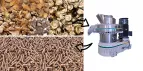
Biomass pellets are the most widely traded solid biomass fuel worldwide. They are compressed from wood sawdust, rice husks, straw, palm waste and forest residues. Global biomass pellet market value hits USD 13.1 billion in 2026, driven by national subsidy schemes. Governments launch layered incentives to support two core chains: pellet manufacturing plants and pellet heating/power end-users. Subsidy formats differ by region: upfront plant capital grants, equipment tax rebates, feed-in tariffs and residential boiler cash rebates. This news breaks down 2026 active national biomass policies, with exclusive focus on how each scheme benefits the biomass pellet industry.

2. National Subsidy Policies & Matching Biomass Pellet Industry Support
| Country | Core Subsidy Type | Direct Support for Biomass Pellet Sector | Eligible Pellet Raw Materials |
| United States | IRA Technology Tax Credit | 6%–30% ITC for pellet mill equipment ;export pellet plant wage bonus up to 10% | Wood waste, forest residues, crop straw |
| EU (Czech Republic) | Biomethane & Solid Biomate Funding | €3.7bn fund covers pellet factory construction heating pellet consumer subsidies | Farm manure pellets, sustainable wood pellets |
| Indonesia | Biodiesel & Solid Biomass Cross Subsidy | Tax offset for palm kernel shell pellet factories; industrial boiler pellet price discount | Palm waste, rice husk, corn cob pellets |
| India | MNRE Central Capital Grant | ₹21 lakh per MTPH non-torrefied pellet plant max ₹1.05 crore subsidy per production line | Cattle dung, rice husk, sugarcane bagasse pellets |
| United Kingdom | Boiler Upgrade Scheme (BUS) | £5,000 one-time rebate for residential & commercial biomass pellet boilers | FSC-certified wood pellets |

3. Regional Policy Breakdown (Short Sentence Format, Embedded Pellet Industry Insights)
3.1 United States IRA Policy & Wood Pellet Export Plants
US IRA tax credits eliminate old biomass technology limits for pellet manufacturers. Large wood pellet export factories in Mississippi and North Carolina qualify for combined equipment and labor tax breaks. Domestic pellet machine purchases unlock an extra 2–10% tax uplift for medium and small pellet mills. Power plants using imported and local wood pellets for co-firing also claim 10-year production tax credits.
3.2 EU RED III Rules Regulate Sustainable Biomass Pellet Trade
EU RED III sets strict sustainability standards for all subsidized biomass pellets. Only residue-based pellets (no virgin timber) receive full government financial backingUSDA Forei.... Czech Republic’s €3.7bn biomass fund supports 200+ new pellet production lines by 2030. 70% of European households rely on pellet heating, and consumer rebates directly lift pellet market demand.
3.3 Indonesia Palm Waste Pellet Domestic & Export Support
Indonesia’s B50 biodiesel roadmap expands solid biomass pellet subsidies for palm kernel shell raw materials. Government palm export tax revenue subsidizes industrial factories switching coal to palm waste pellets. Local pellet producers enjoy zero import duty on pellet press and drying equipment.
3.4 India MNRE Grants Accelerate Agricultural Residue Pellet Business
India’s 2026–2035 GOBARdhan scheme ties biogas and pellet plant subsidies together. State-level top-up subsidies (20–40% extra) cut upfront investment for rice husk and straw pellet factories. Farm cooperatives building small-scale pellet lines access simplified low-interest green loans. Crop waste pellet production also solves seasonal straw burning pollution, doubling policy priority.
3.5 UK BUS Rebates Stimulate Residential Biomass Pellet Consumption
UK £5,000 BUS rebates apply to all certified pellet boilers in farms, hotels and small factories. Higher household pellet demand creates stable long-term sales contracts for local pellet manufacturers. All subsidized heating systems must use EU FSC sustainable wood pellets to meet carbon rules.
4. Closing Summary
2026 global biomass subsidy frameworks deliver clear growth momentum for the full biomass pellet industry. From raw residue processing mills to residential pellet heating equipment, every supply chain link gains financial support across continents. Pellet equipment suppliers and pellet exporters can maximize profit by matching local subsidy eligibility, sustainability rules and application deadlines. As nations push net-zero targets, biomass pellet-related government funding will expand continuously through 2030.
Shandong Bolida Machinery Co., Ltd., established in March 2017, is located in the West side of Dazhan Community in Mingshui Street, Zhangqiu District, Jinan City, Shandong Province with superior geographical location and convenient transportation.
View MoreCopyright © Shandong Bolida Machinery Co., Ltd., All Rights Reserved | Sitemap | Powered by