

Choosing a suitable biomass wood pellet machine is critical to stable pellet production, qualified finished product quality and reasonable operating costs. The best equipment is determined by three core factors: your actual production scale, raw material type, and long-term operation plan. Flat die pellet machines are cost-effective for small-batch and intermittent production, while ring die pellet machines are the optimal solution for high-yield, continuous industrial processing. A targeted selection effectively avoids common problems such as low pellet density, frequent equipment jams and wasted investment.
1. Confirm Your Production Scale and Output Demand
Production output is the top priority for selecting a wood pellet machine. Different production scales correspond to matched machine types, which directly affect production efficiency and operational stability. You must select equipment based on your daily output demand to avoid insufficient capacity or equipment idle waste.
• Small-scale use (0.2–1T/H): Ideal for family farms, personal workshops and small-scale biomass fuel processing. Compact flat die pellet machines feature small footprint, easy installation and low energy consumption, requiring no complicated auxiliary supporting equipment.
• Medium-scale commercial use (1-5 T/H): Suitable for newly built pellet processing plants and regional fuel suppliers. Upgraded flat die or mini ring die machines achieve a perfect balance of purchase cost and production capacity, supporting stable daily batch production.
• Large-scale industrial use (10 T/H and above): Professional ring die pellet machines are exclusively applicable for large factories. With high automation and stab
le power performance, they support 24-hour non-stop continuous industrial production.
2. Select Machine Type: Flat Die vs Ring Die Pellet Machine
Flat die and ring die pellet machines are the two mainstream types on the global market, with huge differences in applicable scenarios, cost and stability. The following intuitive comparison helps buyers quickly screen the right machine and avoid mismatched selection.
| Features | Flat Die Pellet Machine | Ring Die Pellet Machine |
| Production Capacity | 0.2–1 T/H | 1–10 T/H |
| Applicable Scenarios | Home use, small farms, mini workshops | Commercial factories, industrial production lines |
| Cost Performance | Low initial investment, simple and low-cost daily maintenance | Higher one-time investment, lower long-term operating cost |
| Working Performance | Suitable for intermittent short-time operation | Stable output, support long-hour continuous work |

3. Match Equipment with Your Raw Materials
Raw material condition is a key factor affecting pellet forming rate and quality. Different biomass materials have different fiber toughness and hardness, requiring matched machine compression ratios and mold parameters. Unmatched configuration will directly lead to loose pellets, material blockage and low production efficiency.
• Hard wood materials (oak, pine, teak): Hardwood features high fiber density and hardness, requiring a compression ratio of 1:9 to 1:12 for molding. Ring die pellet machines are highly recommended, as their high pressure output can produce dense, high-calorie and durable wood pellets.
• Soft materials & agricultural waste (sawdust, straw, rice husk): Light and loose raw materials adapt to a compression ratio of 1:5 to 1:7. Flat die pellet machines work perfectly for these materials, effectively preventing motor overload and material jams.
Critical Note: The optimal humidity of raw materials for pelletizing is 12%–18%. Excessively wet materials cause pellet deformation and mildew, while over-dry raw materials lead to difficult molding and low finished product rate.
4. Check Core Configuration and Quality Standards
Core components determine the machine’s stability, failure rate and service life. Many low-priced devices adopt simplified accessories, which are prone to frequent breakdowns and increase later maintenance costs. It is essential to check key configurations and international certifications before purchasing.
• Motor & gearbox: Industrial full-copper motors and heavy-duty reinforced gearboxes ensure stable power output, low noise and long service life for long-time operation.
• Mold & roller: Adopts high-strength alloy steel material, featuring wear resistance and high-temperature resistance, greatly reducing replacement frequency and saving operating costs.
• Official Certification: Qualified wood pellet machines are equipped with CE and ISO 9001 certifications, complying with international safety and quality standards for global market sales and project use.
5. Consider After-sales Service and Operating Cost
Equipment price should not be the only consideration. Complete after-sales service is the guarantee of long-term stable production. Reliable suppliers provide one-stop services including professional installation guidance, operational technical training, and long-term spare parts supply. Timely after-sales support effectively reduces downtime losses and comprehensive operating costs.
Key Takeaways
• Flat die pellet machines are the best choice for small-scale, low-budget and intermittent pellet production.
• Ring die pellet machines are suitable for medium and large industrial scenarios requiring 24-hour continuous high-output production.
• Match the machine’s compression ratio and mold parameters strictly with your raw material type and humidity (12%-18%) to ensure pellet quality.
• Prioritize machines with qualified core configurations and international certifications, and choose suppliers with complete after-sales support systems.
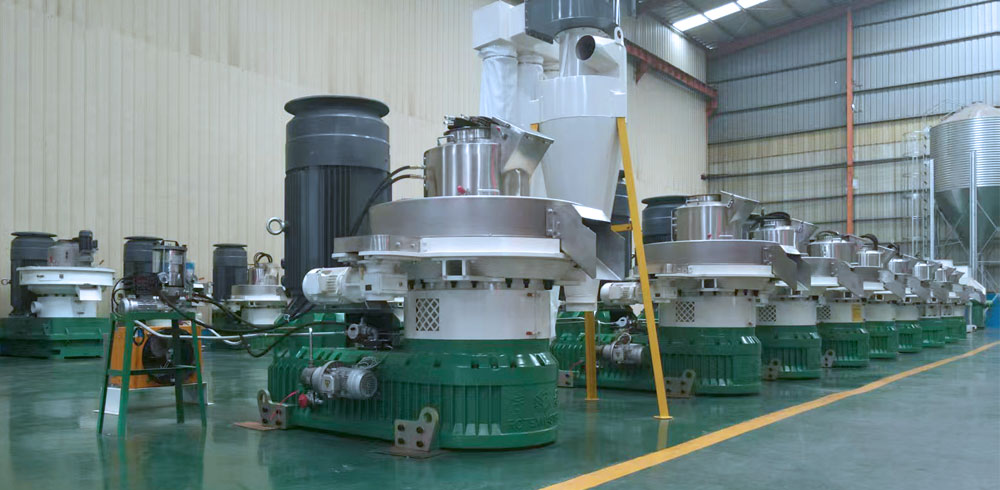
The Bolida & Rotexaster new vertical centrifugal pellet machine is the latest pellet machine in China. The pellet machine adopts a large modulus hard toothed helical gearbox, strengthened main shaft, strong power output, equipment stable operation, low failure rate, low production cost. It is the preferred machine model in the biomass industry.
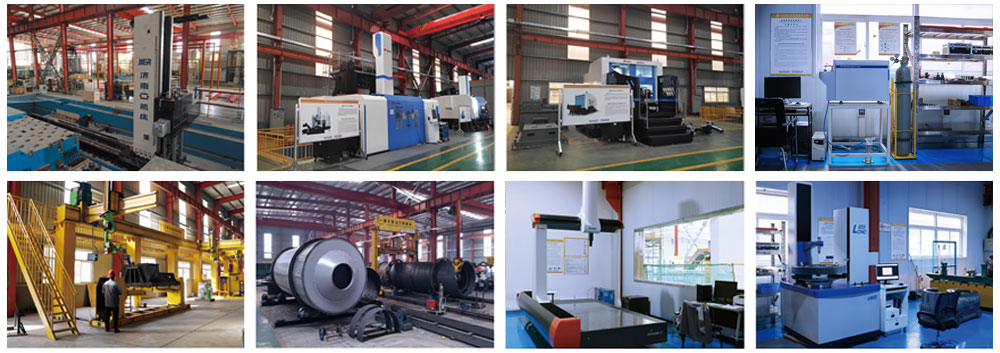
Shandong Bolida Machinery Co., Ltd., established in March 2017, is located in the West side of Dazhan Community in Mingshui Street, Zhangqiu District, Jinan City, Shandong Province with superior geographical location and convenient transportation.
View MoreCopyright © Shandong Bolida Machinery Co., Ltd., All Rights Reserved | Sitemap | Powered by