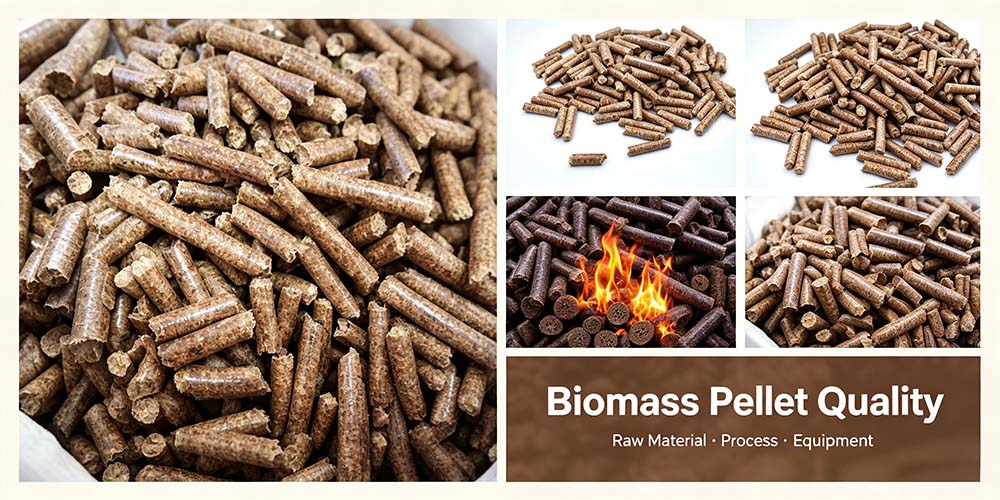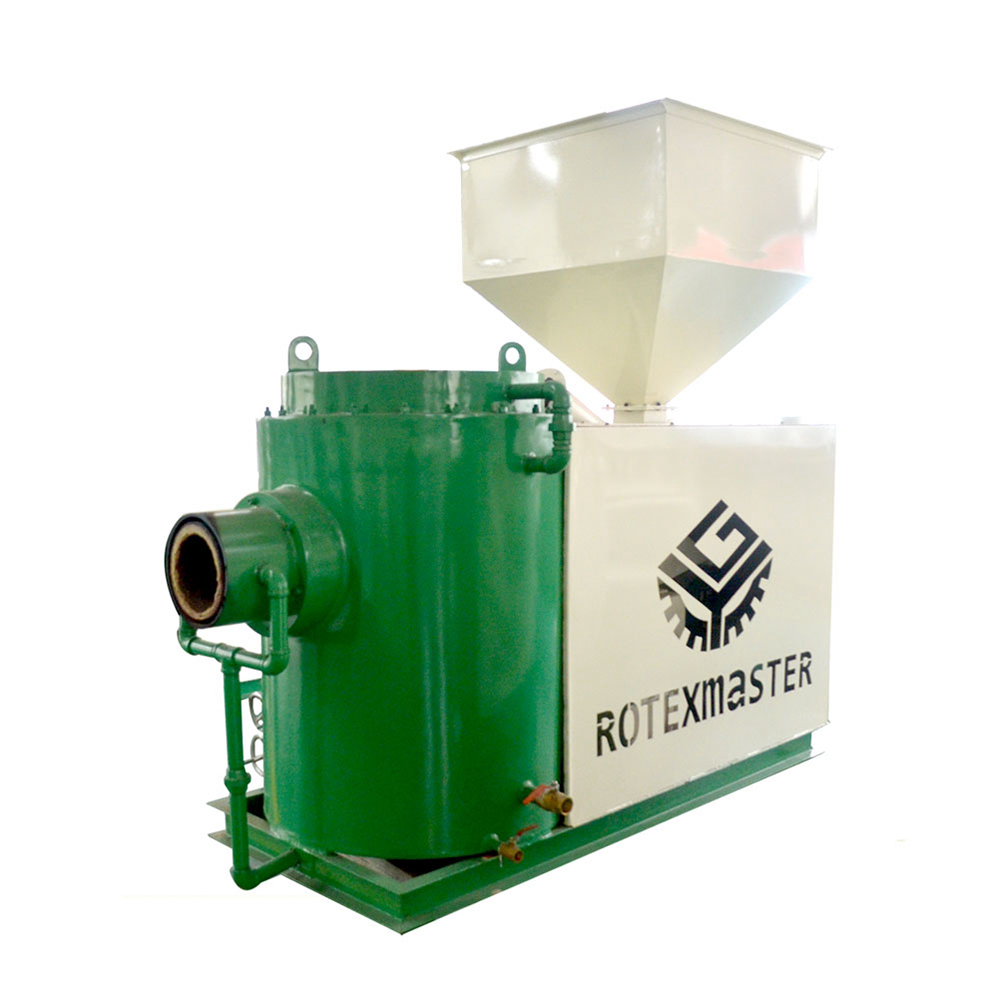

Wood pellet production is an efficient method of converting wood residues into renewable biomass fuel. By utilizing materials such as logs, branches, sawdust, wood chips, and wood processing waste, manufacturers can reduce waste while producing a sustainable energy source for commercial, and industrial use.
As global demand for renewable energy continues to grow, wood pellets have become an important fuel option due to their high energy density, low moisture content, and relatively low carbon emissions compared with traditional fossil fuels.
Wood Pellet Production Process
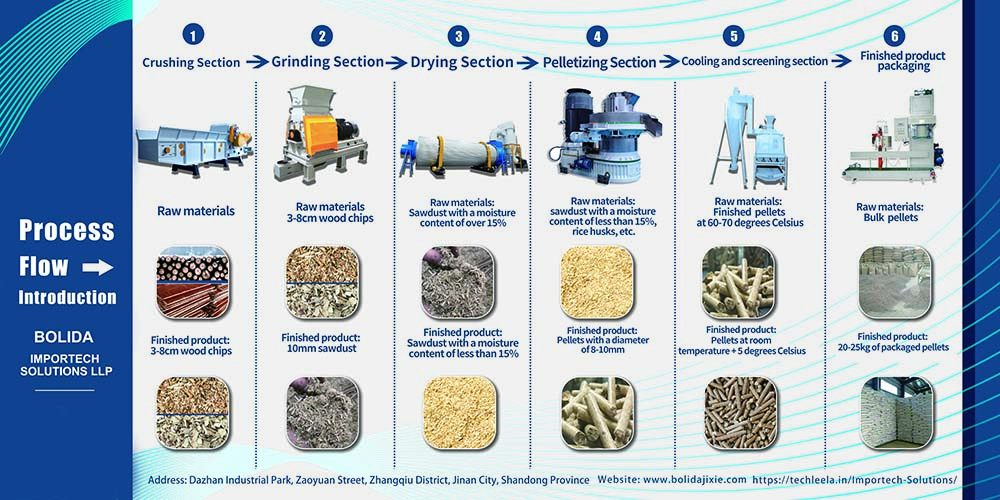
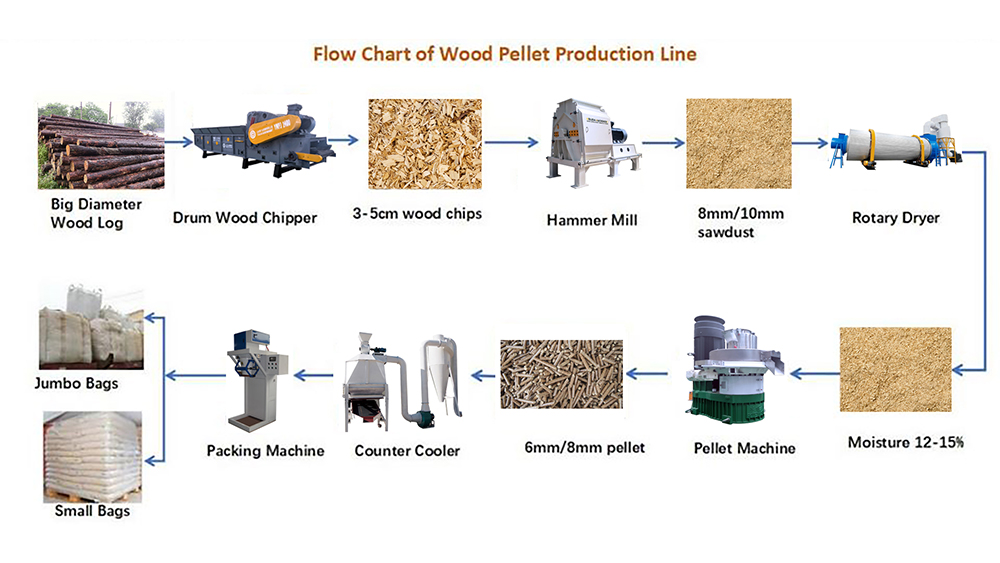
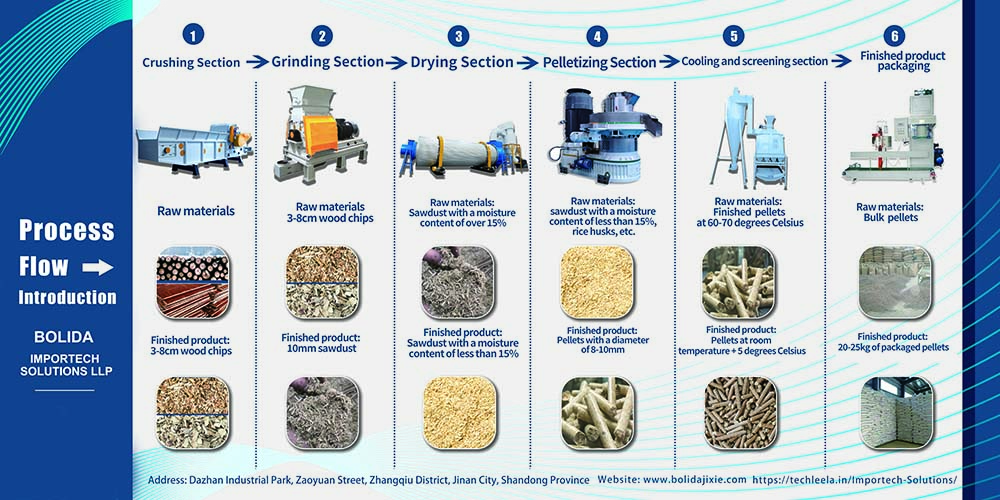
A complete wood pellet production line typically consists of five main processing stages.
1. Wood Chipping
Large raw materials such as logs, branches, and wood offcuts are reduced into uniform wood chips using industrial wood chippers. Consistent chip size helps improve downstream processing efficiency.
2. Grinding
The wood chips are further processed into fine wood powder through hammer mills or grinding equipment. Uniform particle size is essential for producing durable and high-quality pellets.
3. Drying
The moisture content of the wood powder is adjusted to the optimal range for pelletizing, typically between 10% and 15%. Proper moisture control improves pellet strength and production efficiency.
4. Pelletizing
The prepared wood powder is compressed under high pressure in a wood pellet mill. During this process, natural lignin within the wood acts as a binder, helping form dense and uniform pellets without the need for additional adhesives.
5. Cooling and Screening
Freshly produced pellets exit the pellet mill at elevated temperatures. They are cooled and screened to remove fines and dust before packaging, storage, or transportation.
Main Applications of Wood Pellets
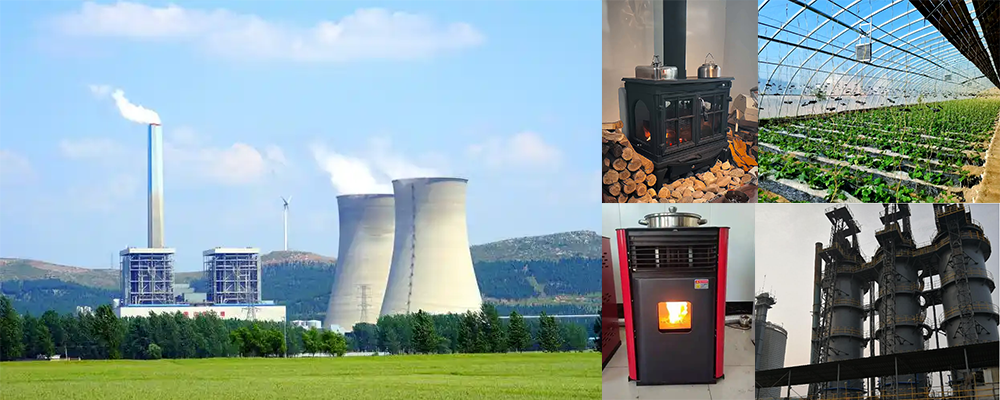
Wood pellets are widely used across several sectors:
Residential Heating
Wood pellets are commonly used in pellet stoves and heating systems for household space heating and hot water generation.
Industrial Fuel
Manufacturing facilities and industrial boilers use wood pellets as an alternative fuel to reduce dependence on coal and fuel oil.
Biomass Power Generation
Power plants utilize wood pellets for biomass energy production, helping support renewable energy targets and carbon reduction initiatives.
Benefits of Wood Pellet Production
Wood pellet manufacturing offers several environmental and economic advantages:
Converts wood waste into valuable renewable fuel
Reduces landfill disposal and open burning of biomass residues
Supports circular economy and resource recycling
Lowers dependence on fossil fuels
Helps reduce greenhouse gas emissions when sourced sustainably
Creates additional revenue streams for wood processing industries
Equipment Used in a Wood Pellet Production Line
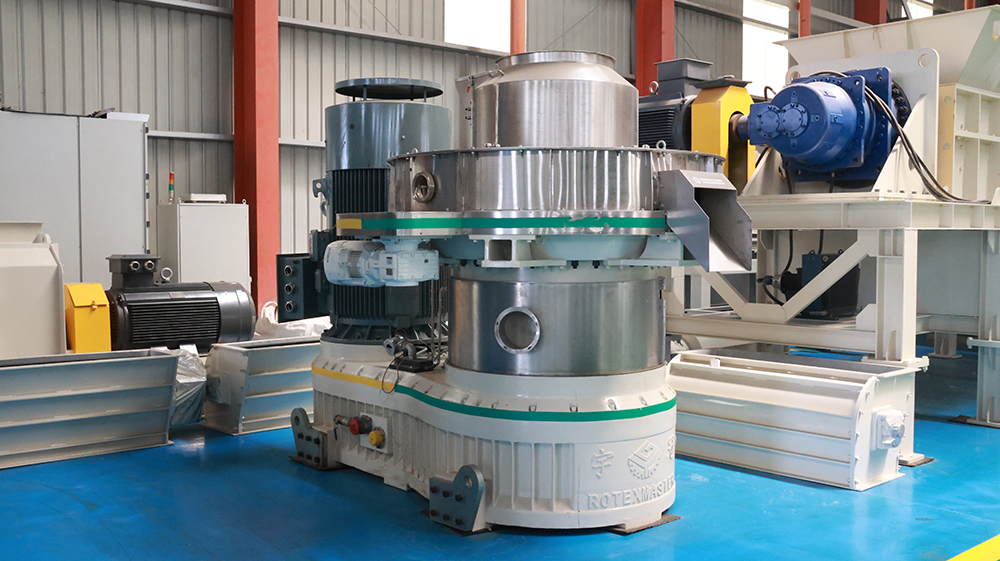
A typical wood pellet plant may include:
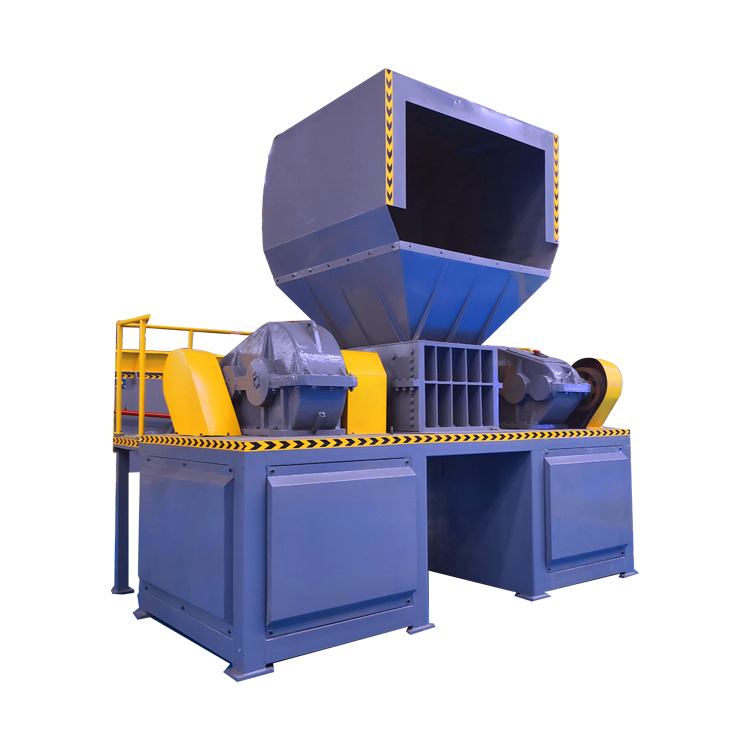
Wood chipper
Hammer mill
Rotary dryer
Pellet cooler
Screening system
Packing equipment
Dust collection system
The configuration can be customized according to raw material characteristics, production capacity requirements, and automation levels.
Frequently Asked Questions
What raw materials can be used for wood pellet production?
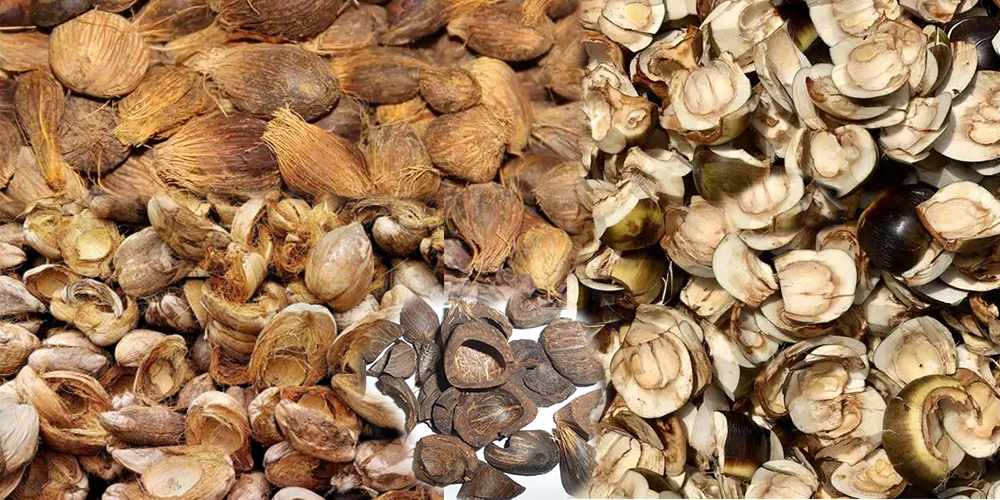
Common raw materials include sawdust, wood chips, forestry residues, wood shavings, branches, and other clean wood waste.
What is the ideal moisture content for pelletizing?
Most pellet manufacturers maintain a moisture content between 10% and 15% to achieve optimal pellet quality.
Are wood pellets environmentally friendly?
When produced from sustainably sourced biomass, wood pellets are considered a renewable energy source and can help reduce net carbon emissions compared with fossil fuels.
How is a wood pellet production line selected?
Selection depends on factors such as raw material type, desired production capacity, available space, energy consumption targets, and automation requirements.
Conclusion
Wood pellet production transforms wood residues into a valuable renewable fuel through a systematic process of chipping, grinding, drying, pelletizing, and cooling. With growing global interest in biomass energy and sustainable manufacturing, wood pellet production lines continue to play an important role in waste utilization, renewable energy development, and carbon reduction efforts.
Shandong Bolida Machinery Co., Ltd., established in March 2017, is located in the West side of Dazhan Community in Mingshui Street, Zhangqiu District, Jinan City, Shandong Province with superior geographical location and convenient transportation.
View MoreCopyright © Shandong Bolida Machinery Co., Ltd., All Rights Reserved | Sitemap | Powered by